
INTRODUCTION
"No Offshore Turbines 90 Mile Beach" is a GRASSROOTS GROUP that was formed to oppose the GIPPSLAND offshore Renewable Energy Zone.OUR VISION
To save our 90 mile beach from industrialisation with offshore wind turbines.MISSION STATEMENT
DEFENDERS OF THE COAST
We are residents, fishers, families and neighbours of Ninety Mile Beach and the Gippsland Lakes — one of the last stretches of Australian coastline still untouched by industrial development. We did not seek this fight. It arrived at our doorstep, unannounced, in the form of proposals to turn our waters into an industrial zone.We stand together to defend this coast: its pristine environment, its wildlife, its fishing grounds, and the communities who have called it home for generations. We believe some places are worth more intact than developed — and that a coastline this rare, once industrialised, can never truly be returned to what it was.
We are not against renewable energy. We are against the industrialisation of a coastline that has never needed defending before, and that we do not believe should be sacrificed now.
We will use every legitimate means available to us — research, advocacy, community organising and public voice — to ensure that the people who live here, and the environment that sustains us, are heard before irreversible decisions are made.
We are the defenders of this coast. We intend to keep it that way.
If you would like to help save "Ninety Mile Beach",
why not join our FaceBook Group today and or answer our "Call To Arms".
Contact; NOT 90 Mile Beach
Email; nooffshoreturbines90milebeach@gmail.com
Website; nooffshoreturbines90milebeach.online
We are many drops that together form an ocean.
Let’s Make Waves. Press the button below.
The opertunity to Have Your Say has past. Well done to everyone that made a submission.
A "call to arms" is an urgent summons or appeal for a group of people to fight, take action, or support a specific cause, often against a threat or challenge i.e. Offshore Wind Turbines.Call for Public Comment
The government’s call for public comment on the Star of the South offshore wind project was open from 18 May to 29 June 2026. Which gave us just six weeks to appraise the EIS & EES reports and reply. This was our first opportunity to review an environmental impact study for any of the proposed projects.Australia's First Offshore Wind Auction
On 26 August 2026, Victoria launched the nation's first offshore wind auction, with bidding open until August 2027. Key details on contract terms and the developer support package are yet to be finalised. LEARN MORE
The federal government's lack of planning of the marine environment,
is not setting Australia’s renewable energy transition up as a responsible one!
Communities
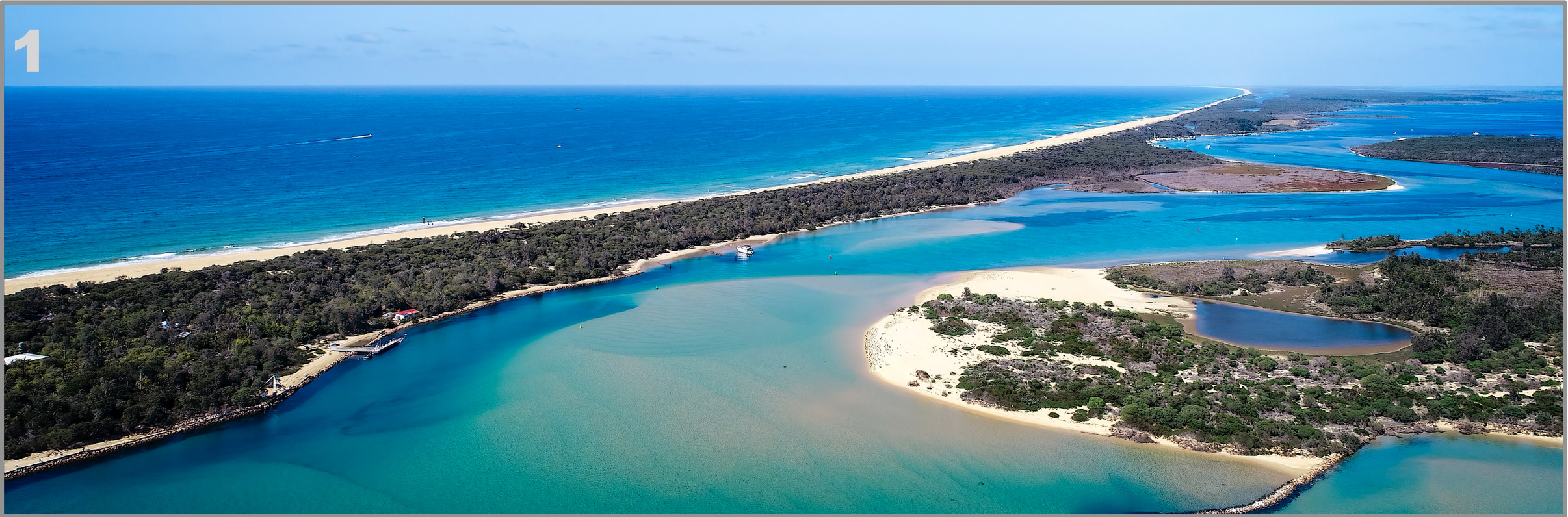
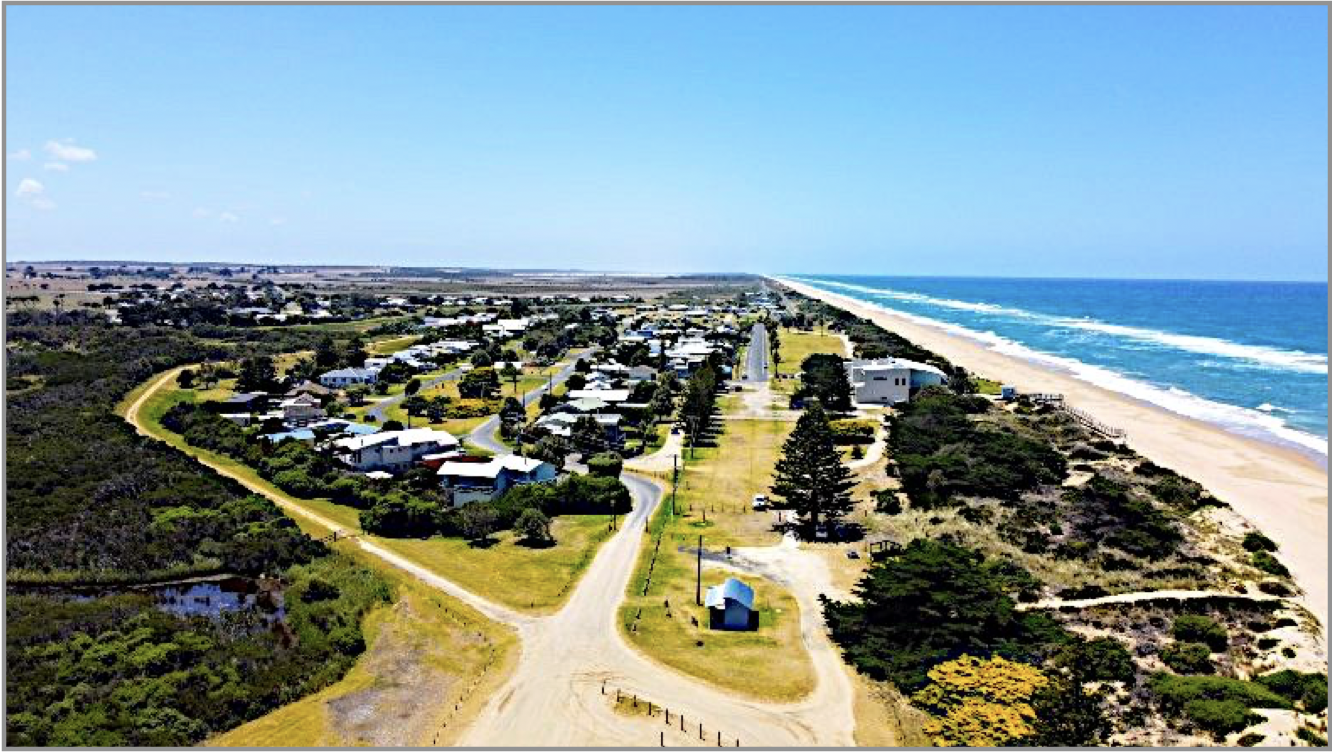
Ninety Mile Beach is perhaps Victoria's best kept secret, with its vast stretches of pristine beaches. Communities along "Ninety Mile Beach" include Loch Sport, Seaspray, Golden Beach, Paradise Beach, Woodside Beach, McLoughlins Beach and Lakes Entrance. (click image info.)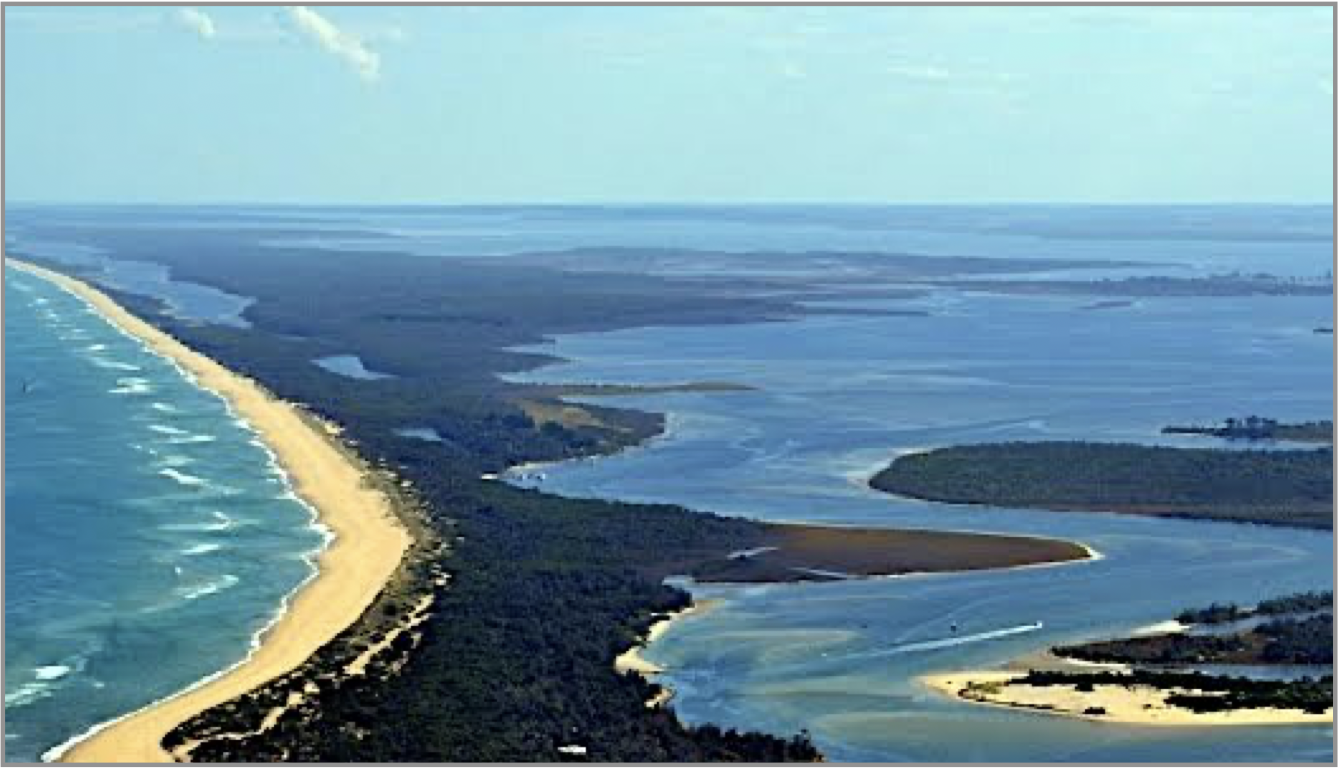
Gippsland Lakes
The Gippsland Lakes Ramsar Site is an internationally significant wetland in eastern Victoria, which is Australia's largest estuarine lagoon system. Featuring coastal lagoons, diverse habitats that are refuges for threatened and migratory bird species.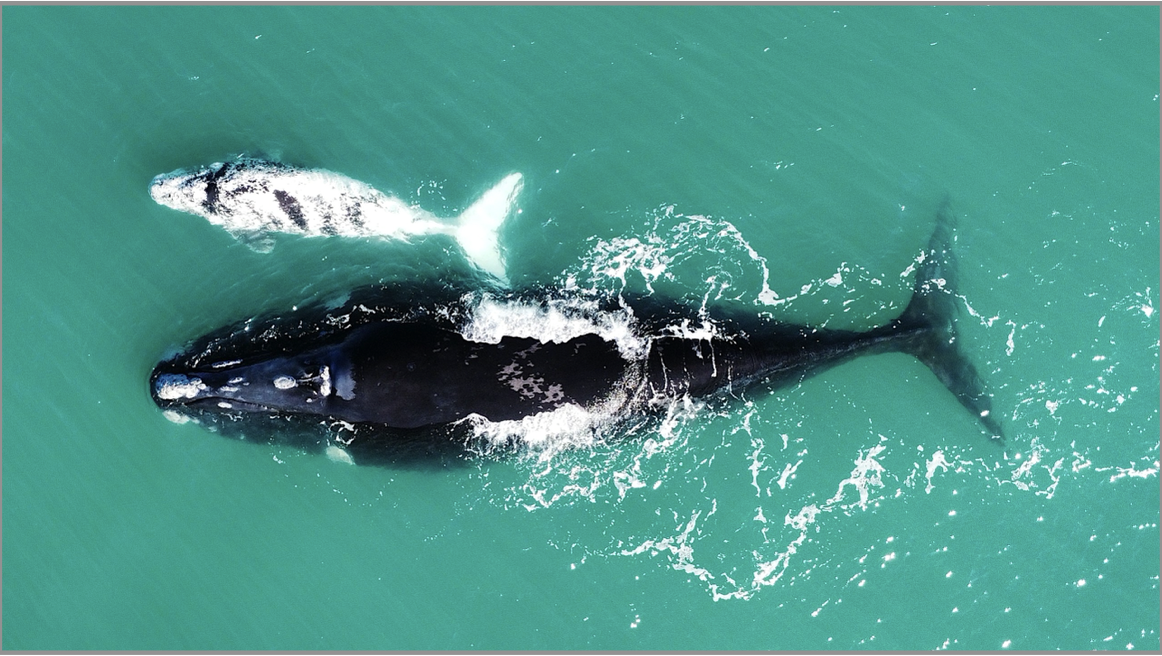
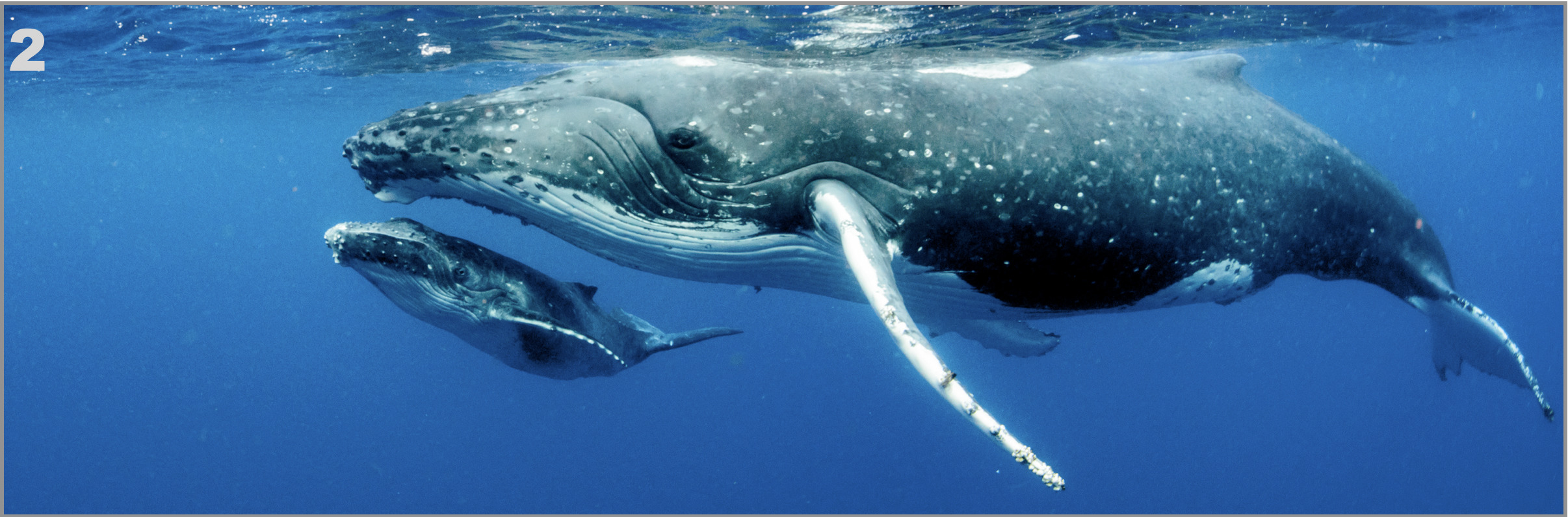
Migrating Whales
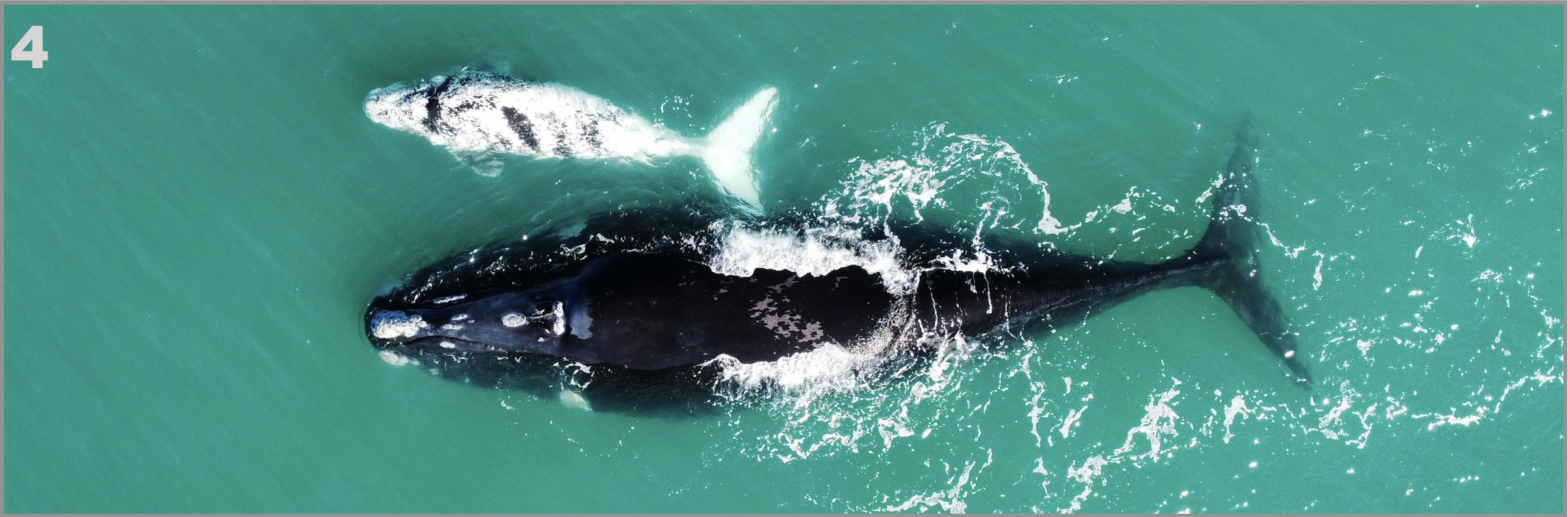
Gippsland's coastline is a prime location for witnessing the annual migration of humpback, southern right and other whale species. The season generally runs from May to November, offering opportunities for both land-based viewing and boat tours. (click image info)The Book
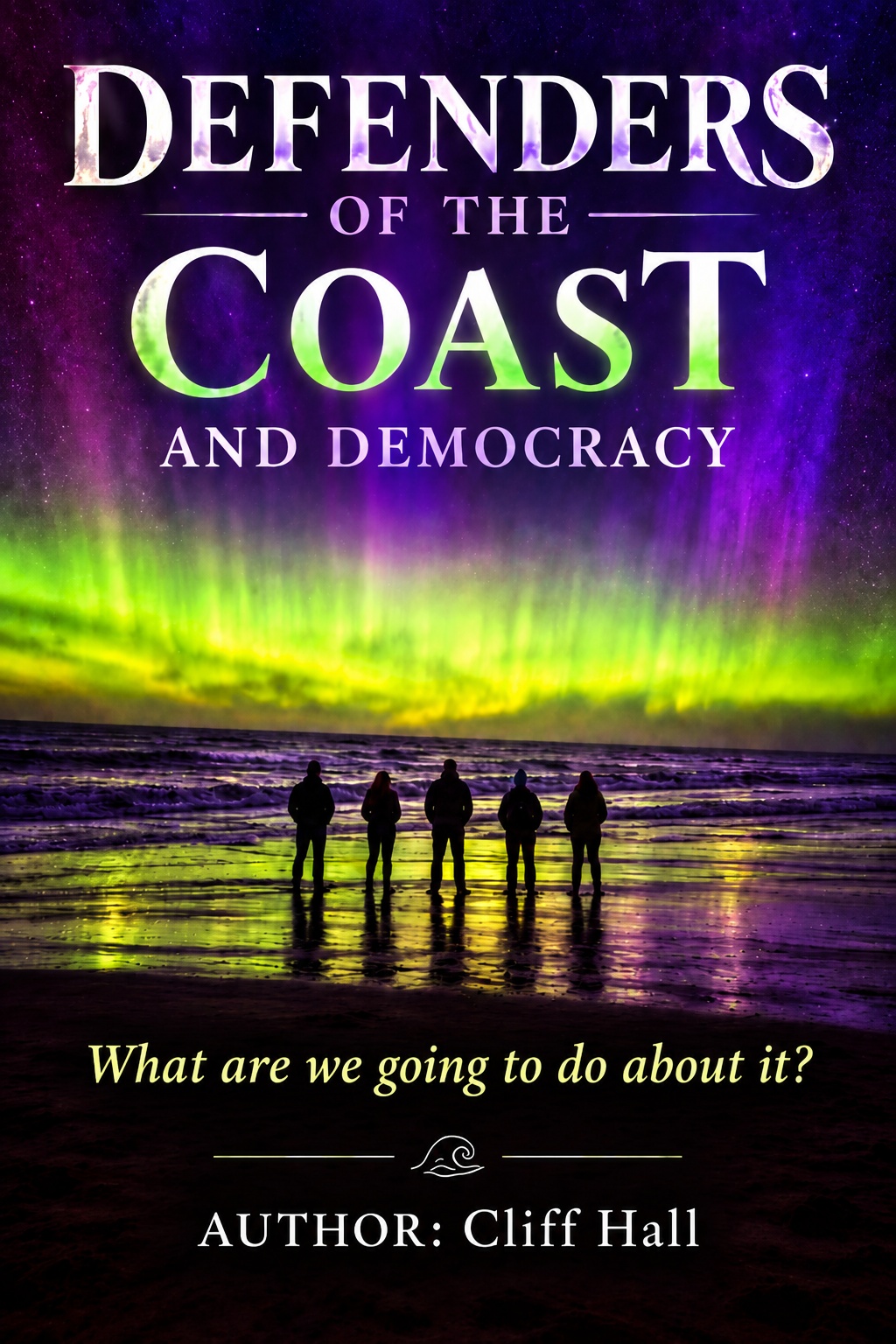
DEFENDERS OF THE COAST AND DEMOCRACY
What are we going to do about it?
The book is a story of ordinary people who found themselves doing extraordinary things.
When plans for offshore wind developments began appearing along Australia's coastline, many local communities were caught by surprise.
They had questions about their coastlines, fishing grounds, marine life and the future of the places they called home. They attended information sessions, searched for answers and began talking to their neighbours.
And when the answers did not come easily, they began finding one another.
What followed was something nobody had planned.
Small grassroots groups emerged. Friendships formed. Information travelled between communities separated by hundreds, sometimes thousands, of kilometres. People who had never imagined themselves becoming campaigners discovered they had something important in common.
They wanted a voice in decisions affecting their coast
The book "Defenders of the Coast — and Democracy", tells their story. Beginning on Victoria's Ninety Mile Beach, the book follows the people behind the community group "No Offshore Turbines Ninety Mile Beach", exploring how their campaign began, what they were trying to protect, and how their experiences connected with those of other coastal communities across Australia.
It also examines the offshore wind proposals themselves, the environmental and economic concerns raised, and what happened when thousands of Australians took part in the public consultation process.
This is not simply a book about wind turbines. It is a story about people, places, community and the democratic right to question decisions that may change our environment and way of life.
AN INVITATION TO READ
We are pleased to make Parts One and Two available here, free of charge, so visitors can read the opening chapters and judge the book for themselves.
Part One introduces the people of Ninety Mile Beach and the beginnings of their grassroots campaign.
Part Two explores what communities believed was at stake, from the marine environment to the coastlines and livelihoods they wanted to protect.
Whether you support offshore wind development, oppose it, or are simply interested in understanding the debate, you are welcome to read their story.
The complete book, including the offshore wind projects, the wider community response, the consultation outcomes and the questions raised about democracy, will be available through Amazon Kindle, launch date 1st December 2026.
Read the opening chapters. Meet the people. Follow their journey.
And perhaps, when you reach the end of Part Two, you will want to discover what happened next.
DISCOVER THE COMPLETE BOOK on Amazon Kindle.
Written by Cliff Hall
Part of the BEYOND THE HORIZON book series.
PART ONE
Where the story began.Along Victoria's beautiful Ninety Mile Beach, a handful of ordinary people began asking questions about plans to develop offshore wind projects along their coastline. What began as conversations between neighbours grew into a grassroots community group, bringing together people determined to protect the place they called home.
Meet Emma, Roger, Linda, Brad and the people who helped turn concern into action. Discover how a simple question became the beginning of something much bigger.
“What are we going to do about it?”
READ PART ONE — FREE PDF.
PART TWO
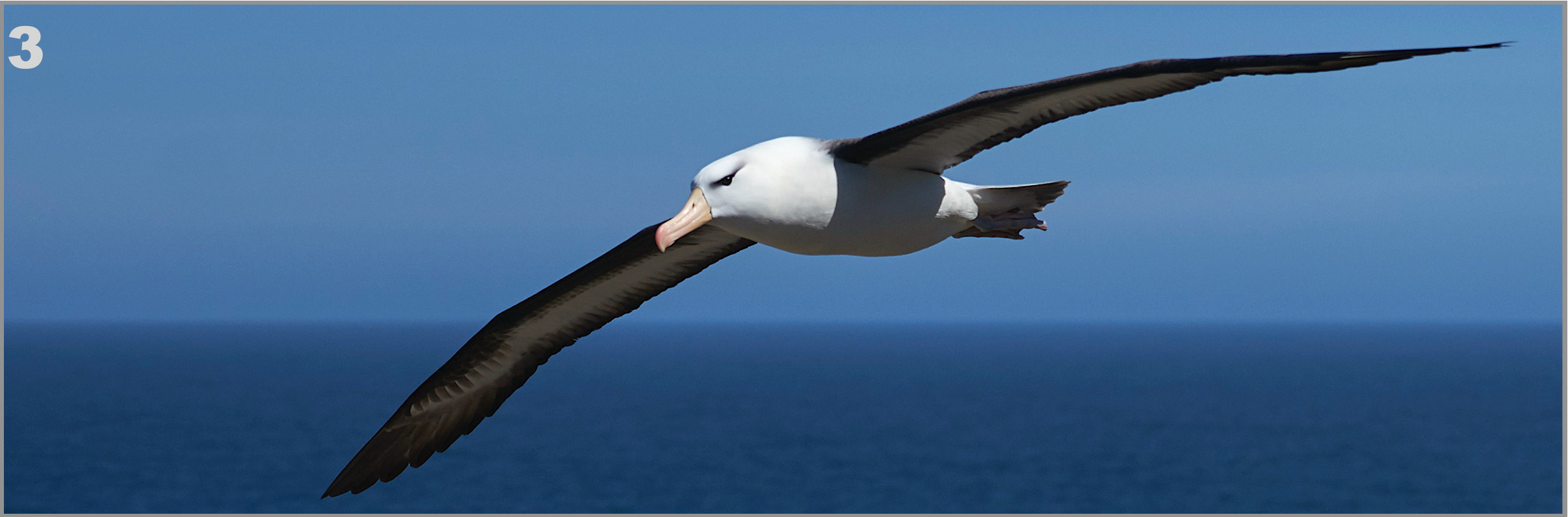
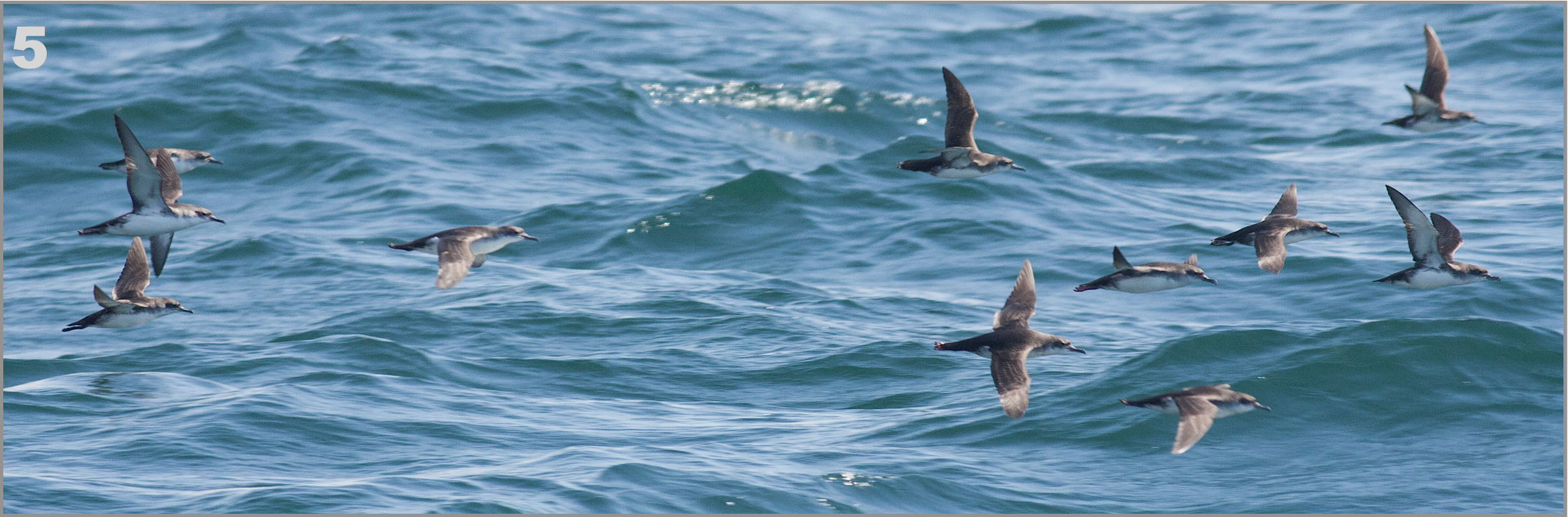
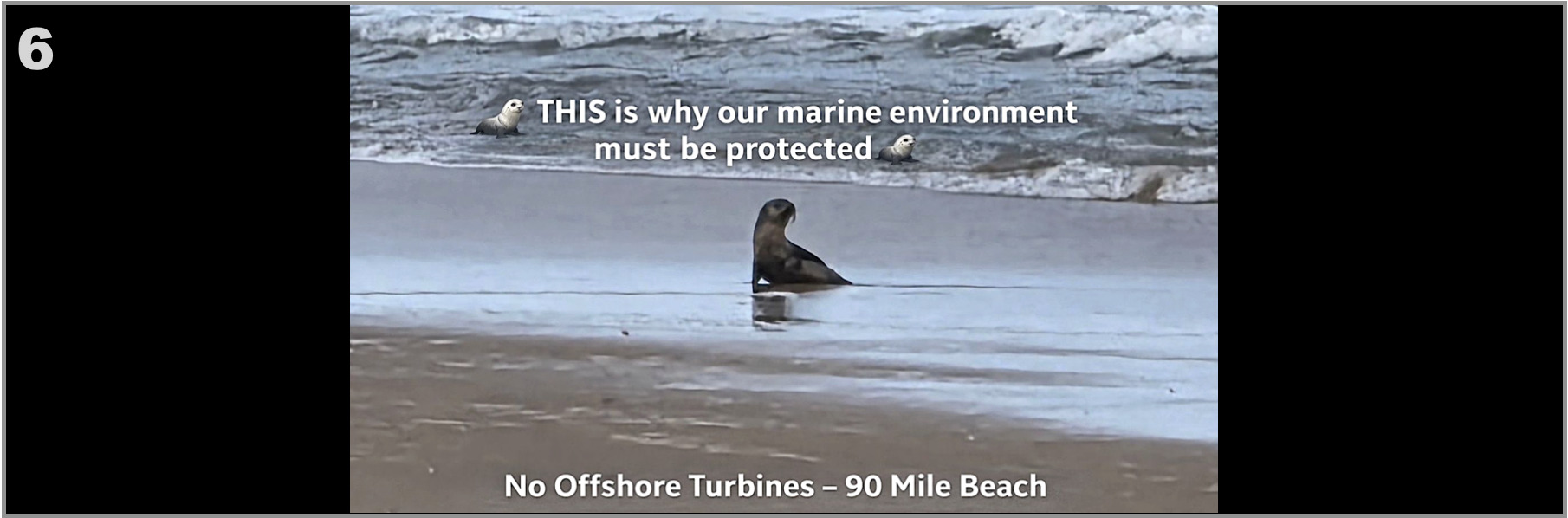
What were they trying to protect?Beyond the beaches and coastal landscapes lies a complex marine environment, supporting wildlife, commercial fishing, maritime activities and communities whose livelihoods depend upon the sea. Part Two takes readers beyond the protest signs to explore the concerns that brought people together — from migrating whales and seabirds to fishing grounds, marine habitats and the potential consequences of industrial development offshore.
It examines the questions communities were asking, the scientific uncertainties they encountered and why many believed the precautionary principle deserved greater attention. Because before deciding what should be built, perhaps we should first understand what is already there. READ PART TWO — FREE PDF.
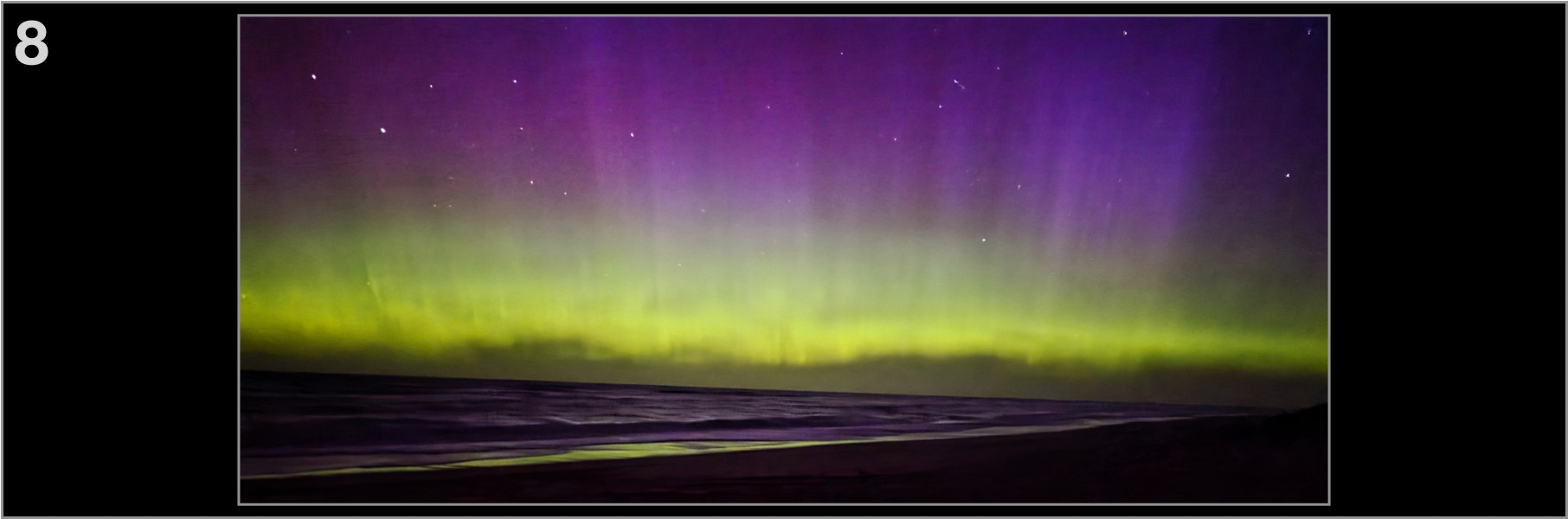
Ninety Mile Beach in Gippsland, Victoria, is one of the absolute best spots in Australia to witness and photograph the
Southern Lights (Aurora Australis).

Submissions
Making submissions to governmental and or parliamentary inquiries is an important way for individuals, groups and organisations to have their voices heard on contentious issues, like Offshore Renewable Energy Zones andso-called wind-farms. Submissions will be archived here.

Lobbying - Press Releases
Lobbying is the act of communicating with politicians, public officials and proponents, to influence their decisions on legislation or policy. It is a legitimate part of the democratic process, which allows individuals and organisations to present their views. Correspondence will be archived here.Discliamer
This website was created, funded, hosted and maintaind by Cliff Hall (thats me), who is a member of the "NO OFFSHORE TURBINES FOR 90 MILE BEACH" FaceBook group and most of the other groups that oppose the six Australian offshore Renewable Energy Zones (REZ).No money has ever been received or sought from fossil fuel companies or alleged lobby-groups, by me or the grassroots groups that I am associated with.
Information within this website and or info-graphs have been comprehensively researched and summarised by Cliff Hall.
It is up to the reader to draw there own conclusions from the facts presented.
This site is a work in progress, which may require further editing and or updating.
e.g. correcting any typographical errors, grammar or spelling mistakes etc.
Victorian National Parks Association
Below is an extract from the scathing submision that VNPA made to the federal government opposing the other Victorian offshore wind project, which is the SOUTHERN OCEAN Renewable Energy Zone.1.It is disappointing to see this renewable energy zone proposed in such an ecologically rich and important area like the Bonney Upwelling. There are critical marine life hotspots within the Southern Ocean Zone that should be avoided.
2.Threatened species such as the Pygmy blue and Souther-right whales rely on this area for their survival being one of the most important areas in Australia. The area overlaps with important foraging areas for the Pygmy Blue Whale and significant area for Southern Right Whales.
3. Development in this area goes against policy and law in place to protect threatened species like the EPBC Act and other policies to protect whales.
4. Marine biodiversity values should indicate where to locate and avoid developments.
5. If impacts on marine life and habitats are to be avoided and minimised, early planning is required.
6. There has been no communication of the rationale or the decision-making process that resulted in the proposed area, nor was there any identification of marine biodiversity values, apart from marine parks.
7. Before declaration there should be an attempt to undertake preliminary marine planning for this zone to identify environmentally and culturally sensitive areas where developers should avoid, and less sensitive areas prioritised to protect high value conservation areas.
8. Preliminary marine planning could feed into a more thorough marine spatial planning process.
10.Marine spatial planning is a tool that can be used to avoid important environmental, cultural and social values while giving the industry direction and security.
11. Current lack of planning of the marine environment is not setting Australia’s renewable energy transition up as a responsible one.
VNPA Submissions
Southern Ocean REZ pdf.Gippsland REZ pdf.
Kentbruck Wind Farm pdf.