
INTRODUCTION
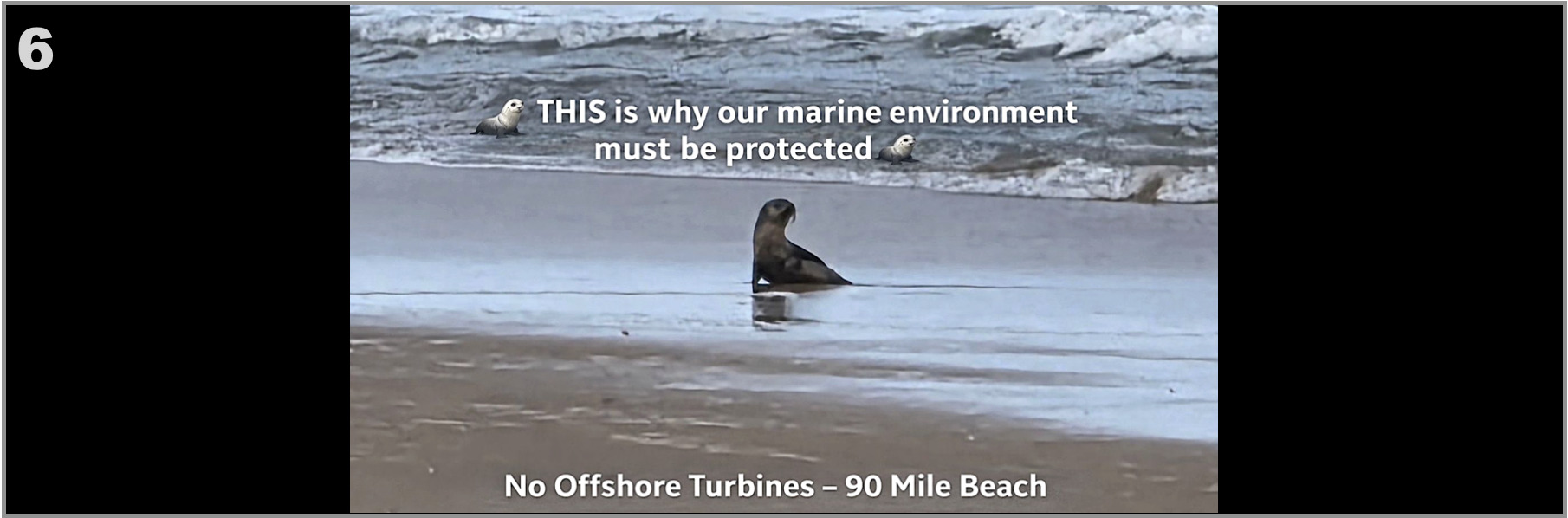
"No Offshore Turbines 90 Mile Beach" is a GRASSROOTS GROUP that was formed to oppose the GIPPSLAND offshore Renewable Energy Zone.OUR VISION
To save our 90 mile beach from industrialisation with offshore wind turbines.OUR MISSION
1. To protect and conserve the natural environment, economy, cultural heritage and social identity of our "Ninety Mile Beach". We oppose the installation of offshore wind turbines off the 90 mile beach coastline.2. To develop and implement actions which promote awareness of and activism against the offshore turbines.
3. Educating the community and general public about the proposed offshore wind turbines.
4. Lobbying all levels of government and proponents to express opposition to the proposed development and thereby advocate for the adoption of a responsible energy system in which only appropriate renewable options may form part of the energy mix.
We are many drops that together form an ocean.
Let’s Make Waves.
If you would like to help save "Ninety Mile Beach",
why not join our FaceBook Group today.
Contact; NOT 90 Mile Beach
Email; nooffshoreturbines90milebeach@gmail.com
Website; nooffshoreturbines90milebeach.online
Let’s Make Waves.
If you would like to help save "Ninety Mile Beach",
why not join our FaceBook Group today.
Contact; NOT 90 Mile Beach
Email; nooffshoreturbines90milebeach@gmail.com
Website; nooffshoreturbines90milebeach.online
The federal government's lack of planning of the marine environment,
is not setting Australia’s renewable energy transition up as a responsible one!
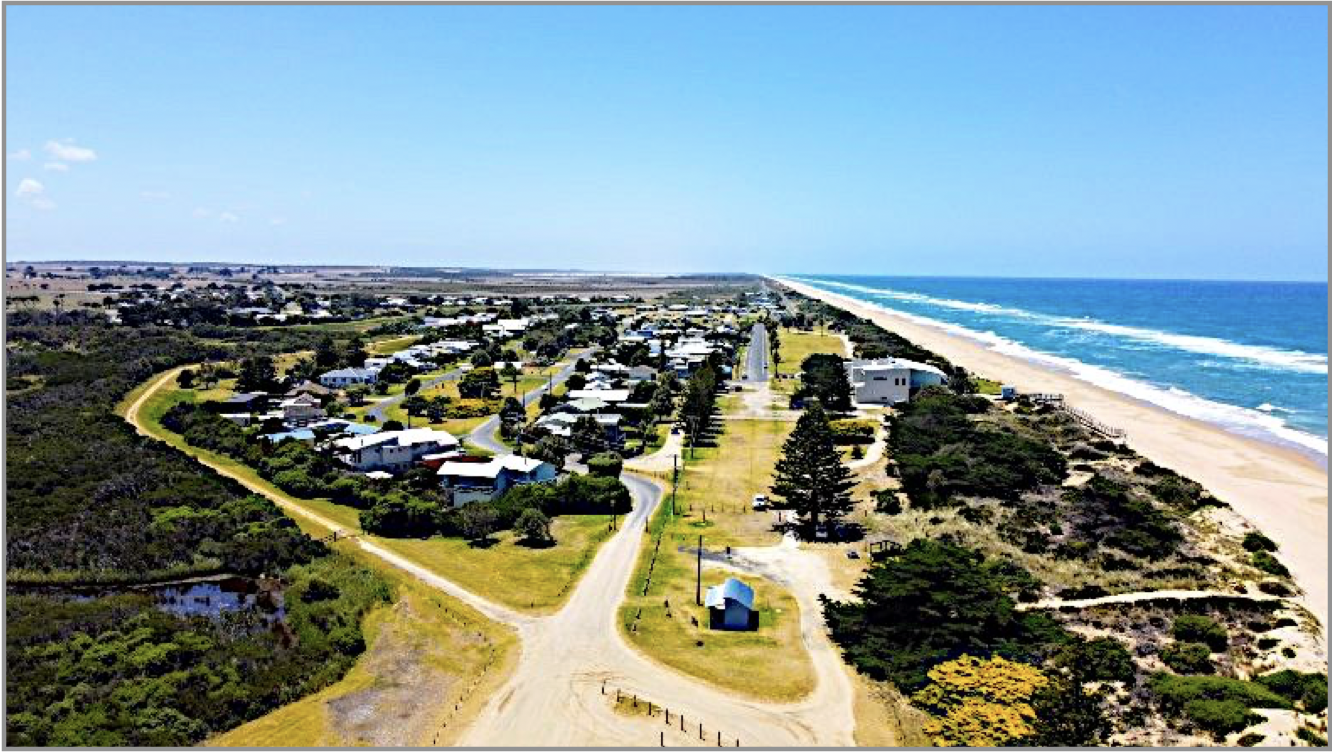
Communities
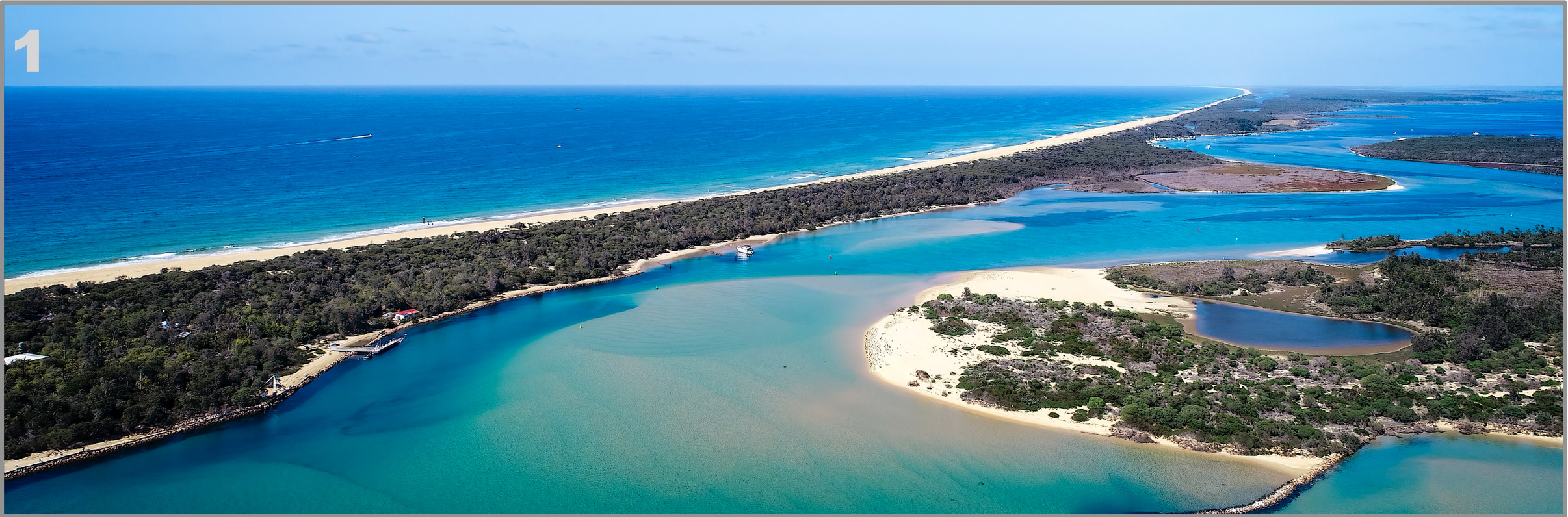
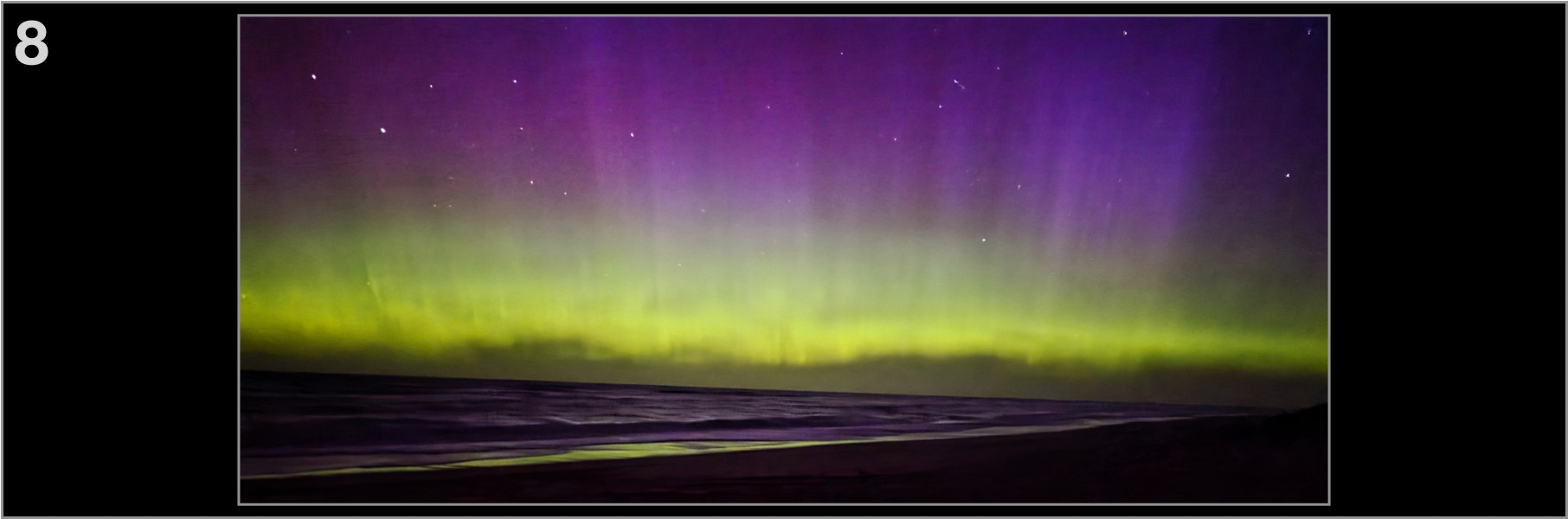
Ninety Mile Beach is perhaps Victoria's best kept secret, with its vast stretches of pristine beaches. Communities along "Ninety Mile Beach" include Loch Sport, Seaspray, Golden Beach, Paradise Beach, Woodside Beach, McLoughlins Beach and Lakes Entrance. (click image info.)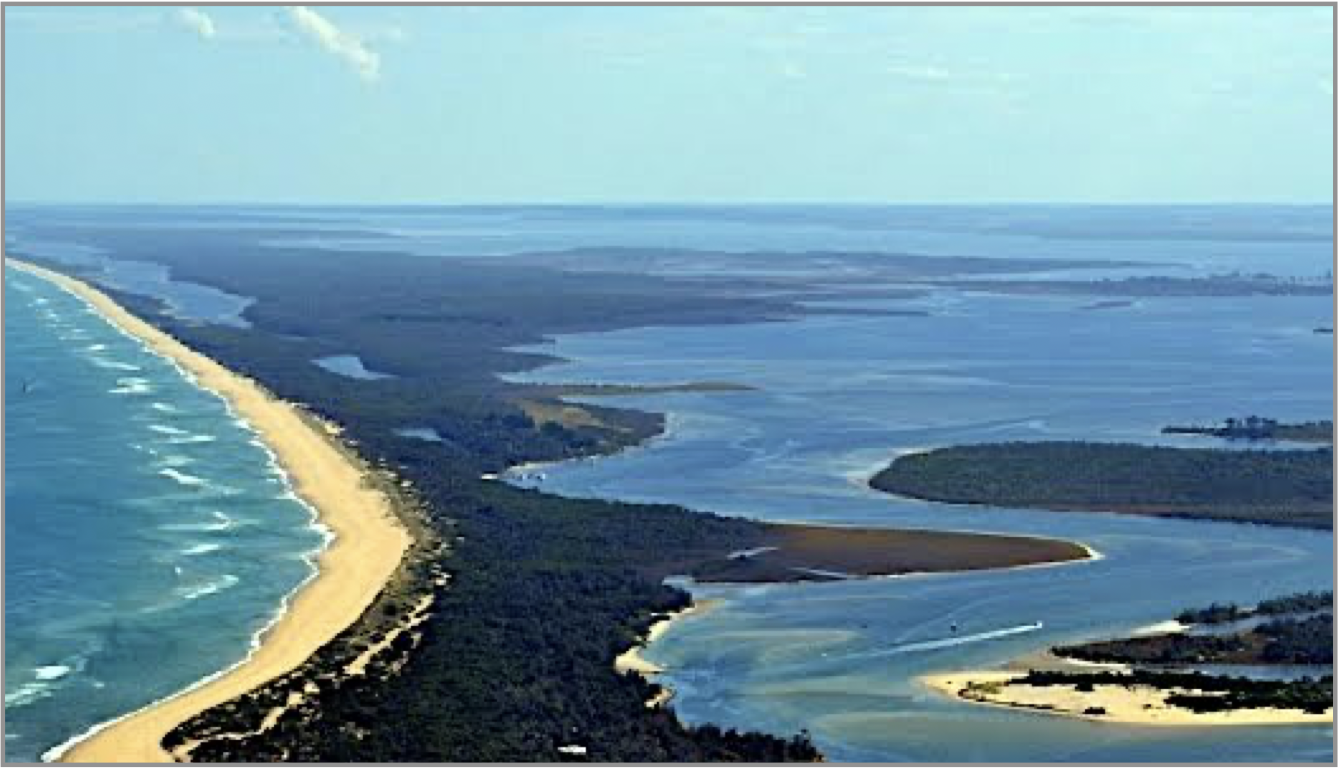
Gippsland Lakes
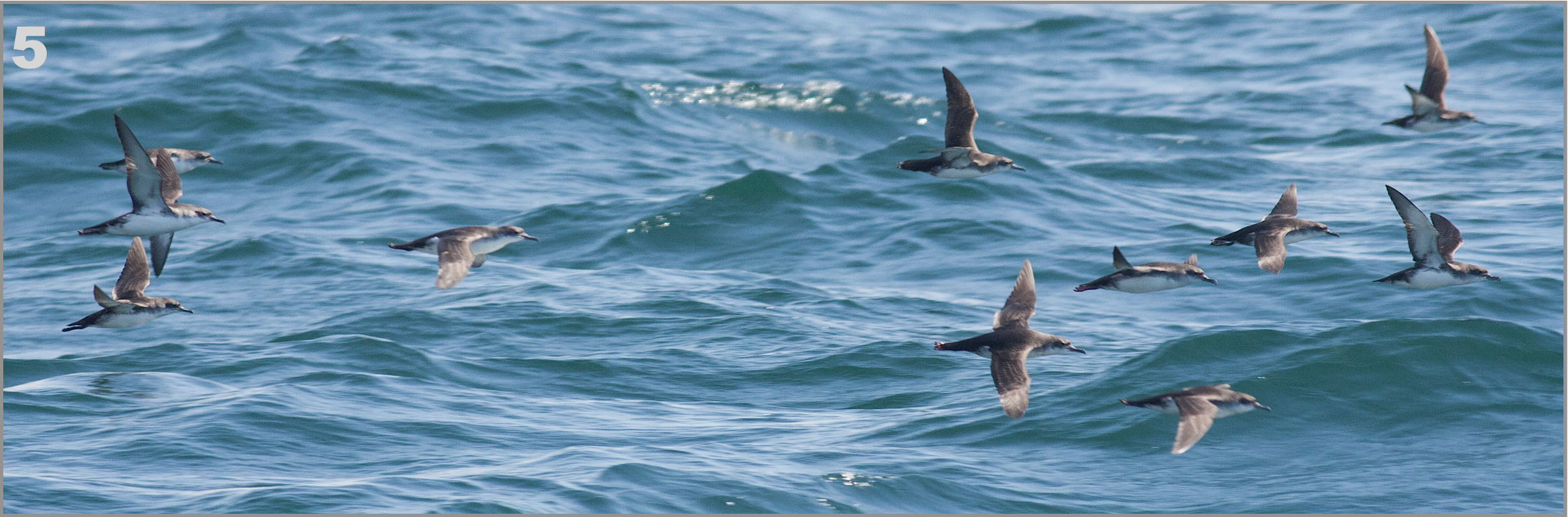
The Gippsland Lakes Ramsar Site is an internationally significant wetland in eastern Victoria, which is Australia's largest estuarine lagoon system. Featuring coastal lagoons, diverse habitats that are refuges for threatened and migratory bird species.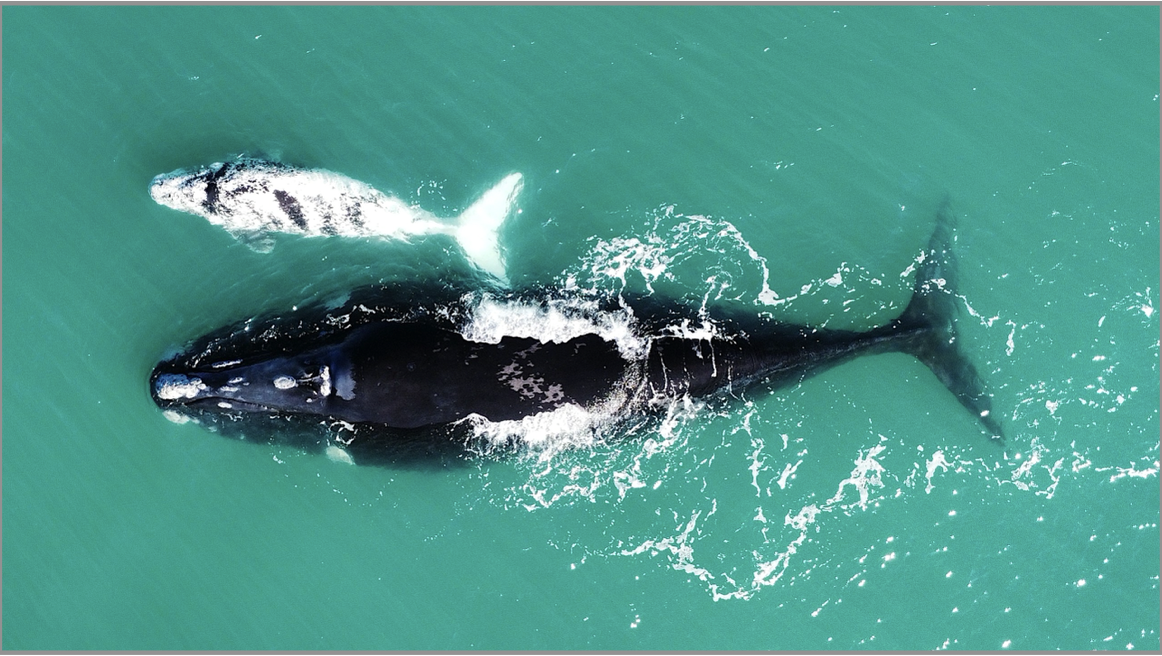
Migrating Whales
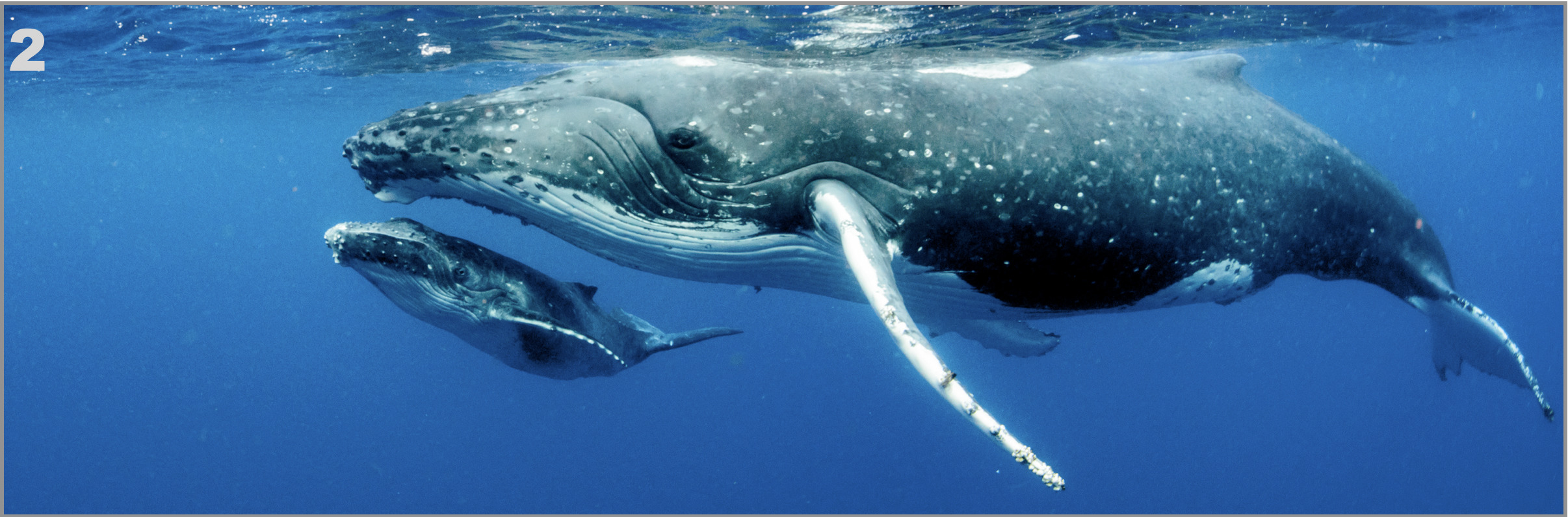
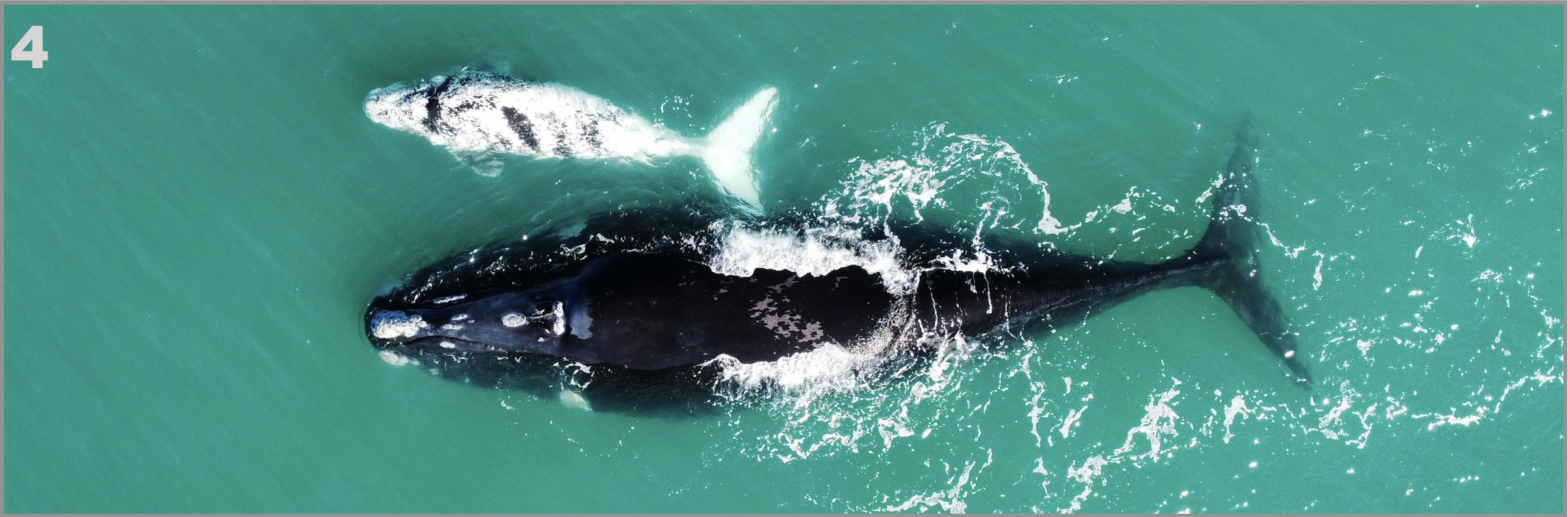
Gippsland's coastline is a prime location for witnessing the annual migration of humpback, southern right and other whale species. The season generally runs from May to November, offering opportunities for both land-based viewing and boat tours. (click image info)
Submissions
Making submissions to governmental and or parliamentary inquiries is an important way for individuals, groups and organisations to have their voices heard on contentious issues, like Offshore Renewable Energy Zones andso-called wind-farms. Submissions will be archived here.

Lobbying - Press Releases
Lobbying is the act of communicating with politicians, public officials and proponents, to influence their decisions on legislation or policy. It is a legitimate part of the democratic process, which allows individuals and organisations to present their views. Correspondence will be archived here.Discliamer
This website was created, funded, hosted and maintaind by Cliff Hall (thats me), who is a member of the "NO OFFSHORE TURBINES FOR 90 MILE BEACH" FaceBook group and most of the other groups that oppose the six Australian offshore Renewable Energy Zones (REZ).No money has ever been received or sought from fossil fuel companies or alleged lobby-groups, by me or the grassroots groups that I am associated with.
Information within this website and or info-graphs have been comprehensively researched and summarised by Cliff Hall.
It is up to the reader to draw there own conclusions from the facts presented.
This site is a work in progress, which may require further editing and or updating.
e.g. correcting any typographical errors, grammar or spelling mistakes etc.
Victorian National Parks Association
Below is an extract from the scathing submision that VNPA made to the federal government opposing the other Victorian offshore wind project, which is the SOUTHERN OCEAN Renewable Energy Zone.1.It is disappointing to see this renewable energy zone proposed in such an ecologically rich and important area like the Bonney Upwelling. There are critical marine life hotspots within the Southern Ocean Zone that should be avoided.
2.Threatened species such as the Pygmy blue and Souther-right whales rely on this area for their survival being one of the most important areas in Australia. The area overlaps with important foraging areas for the Pygmy Blue Whale and significant area for Southern Right Whales.
3. Development in this area goes against policy and law in place to protect threatened species like the EPBC Act and other policies to protect whales.
4. Marine biodiversity values should indicate where to locate and avoid developments.
5. If impacts on marine life and habitats are to be avoided and minimised, early planning is required.
6. There has been no communication of the rationale or the decision-making process that resulted in the proposed area, nor was there any identification of marine biodiversity values, apart from marine parks.
7. Before declaration there should be an attempt to undertake preliminary marine planning for this zone to identify environmentally and culturally sensitive areas where developers should avoid, and less sensitive areas prioritised to protect high value conservation areas.
8. Preliminary marine planning could feed into a more thorough marine spatial planning process.
10.Marine spatial planning is a tool that can be used to avoid important environmental, cultural and social values while giving the industry direction and security.
11. Current lack of planning of the marine environment is not setting Australia’s renewable energy transition up as a responsible one.
VNPA Submissions
Southern Ocean REZ pdf.Gippsland REZ pdf.
Kentbruck Wind Farm pdf.